


Counsilman-Hunsaker's Dive Into Revit

Longwing Landing Aquatic Center in Bridgeland’s Prairieland Village. Designed by Counsilman-Hunsaker. Photo courtesy of Progressive Commercial Pools.
Counsilman-Hunsaker was founded in 1970 by James "Doc" Counsilman, the legendary Olympic swimming coach, and Joe Hunsaker, a national champion swimmer who went on to build a career in aquatic design. In the more than five decades since, the firm has become one of the most trusted names in aquatics, completing thousands of projects, from world-class competition natatoriums to community recreation centers, K-12 and university facilities, health & wellness facilities, and hospitality venues. Continually striving to be an education leader in the industry, Counsilman-Hunsaker brings a depth of specialization and thought leadership few practices in any discipline can match: fifty-five years focused on a single building type.
That expertise lived in AutoCAD. The firm had been drafting in CAD since the late 1990s, and everything grew up around it: the workflows, the detail libraries, the staff's muscle memory. Moving to Revit had been on the firm's radar for the better part of a decade, and nobody disputed that it needed to happen. The problem was that every serious attempt collided with the realities of a busy practice, where billable deadlines win, and library projects wait.
Then the firm partnered with Pirros, and eleven months later, the switch was flipped. Today, 85% or more of Counsilman-Hunsaker's projects are Revit-based, supported by a living Revit detail library that the entire team maintains through Pirros.
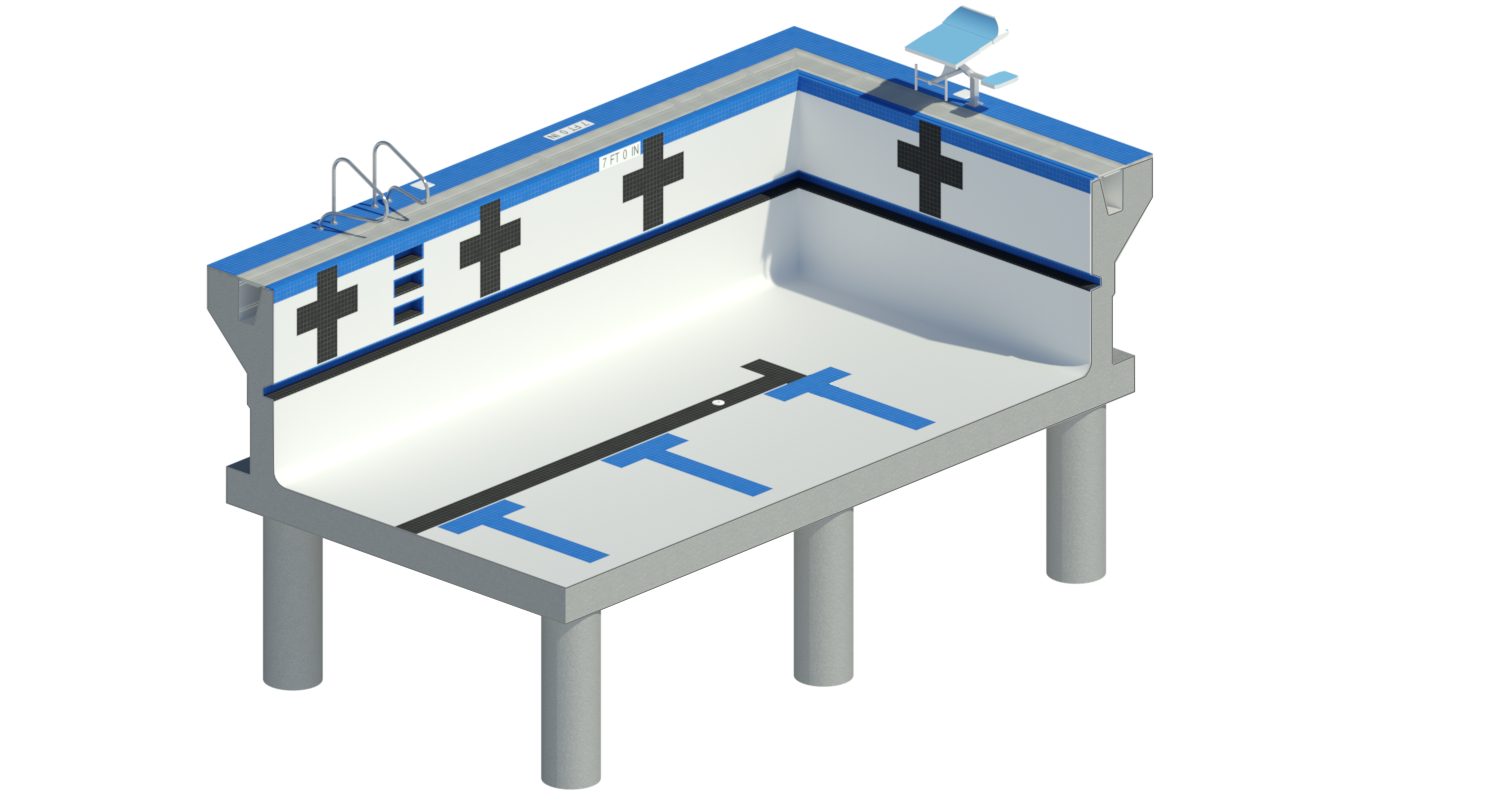
The Challenge
Counsilman-Hunsaker had tried before. The firm started with show-and-tell sessions from early adopters, moved on to formal trainings and policies, and at one point even assigned batches of details across the production team so the library could be updated in parallel.
Every one of those efforts made progress, but all ran into the same constraint. The people updating the details were the same people delivering projects, and when a deadline arrived, the deadline won. Library work was important but never urgent, so it kept sliding down the priority list.
The review process made catching up even harder. Updating a detail meant printing it to PDF along with the rest of its set, circulating the pages for markup, and collecting feedback over email. Multiply that across more than a thousand standard details, and the result was an overload of work: too many pages in circulation, too many comments scattered across inboxes, and no easy way to see what had been reviewed, revised, or approved.
"We'd print out libraries, have people mark them up, and hope leadership could review them all. But it was too massive. It always stalled," recalls Rick Hoops, BIM Manager at Counsilman-Hunsaker.
What the firm wanted was a way for the library to improve inside the day-to-day work, rather than in blocks of time that never freed up.
The Solution
When Counsilman-Hunsaker adopted Pirros, the goal was specific: build out the Revit detail library, and do it with a workflow that didn't depend on anyone freeing up an entire week.
Pirros became that way of working. And the firm wasn't going about the transition alone. Pirros' customer success team, led by Talar Grace, partnered with Rick and his team from the first upload onward, and the rollout they worked on together had three parts: bring the full library into one place, change how reviews happened, and connect the library to live project work.
The rollout began with a full audit and upload. The firm's existing Revit libraries, organized by categories like pool wall types and mechanical details, were uploaded to Pirros, since they carried years of built-in visibility functionality worth preserving. Those details were compared against their CAD counterparts and flagged for update, and where no Revit version existed, CAD details were traced into clean, Revit-native replacements.
From there, Pirros' flagging and markup tools replaced the print-and-email cycle with a review process that happens during the design process: a reviewer spots an issue while using a detail on a live project, drops a flag with markups attached, and mentions Rick, who assigns the revision to one of his interns with another mention. When the update is done, it routes back for approval the same way. Nothing waits for a meeting or gets lost in an inbox, and interns and production staff contribute on the margins of their day rather than in scheduled review sessions.
"Pirros lets us crowdsource detail reviews without meetings or emails. People flagged issues as they worked, no more waiting for a PDF printout to get reviewed," says Hoops.
The final piece was closing the loop with production. As details improved, team members pulled them straight from Pirros into active projects, and refinements made mid-project flowed back into the library. The library stopped being a side project and became a byproduct of the work itself.
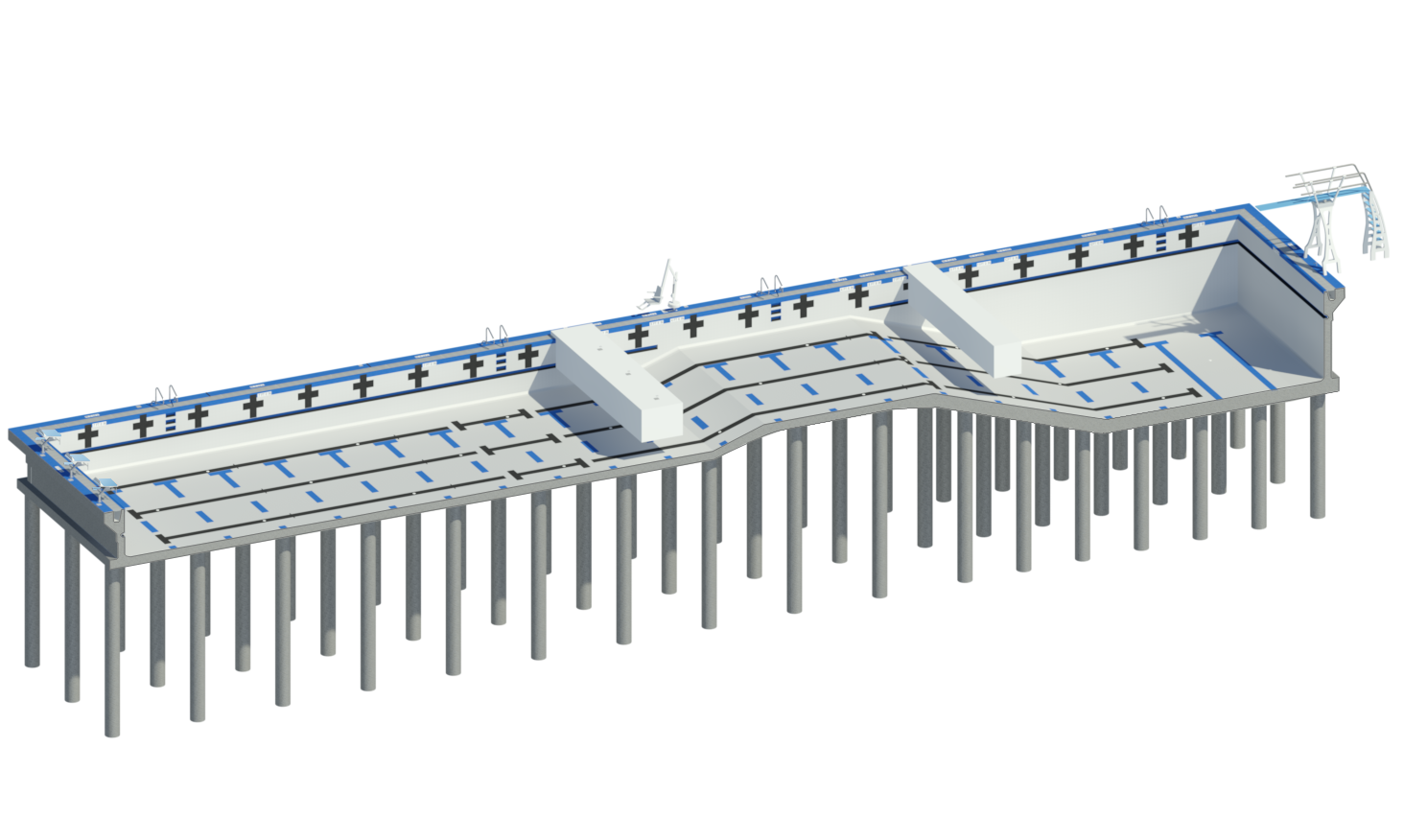
The Results: A Living Library, Eleven Months In
Eleven months after adopting Pirros, over 85% of Counsilman-Hunsaker's active projects are Revit-based, and the team estimates the transition would have taken at least 50% longer without Pirros. More than 1,000 standard details have been organized, flagged, and reviewed collaboratively. The legacy CAD library has been archived, with PDF copies retained for reference, and even the occasional CAD-only project now starts from the Revit library, with details exported directly from Pirros.
And the library keeps on evolving. The firm runs a monthly update cycle, and because Pirros surfaces those changes inside active projects, a project delivered today can capture a year's worth of detail refinements before it goes out the door. Adoption has spread well past the BIM team, too. Project managers pull details from the web interface and drop them into Bluebeam for instant measurements, no CAD files required.
"Honestly, this is the only BIM tool I've rolled out that's gotten universal excitement," says Hoops.
Advice for Firms in Transition
Ask Counsilman-Hunsaker what made the difference and the answer isn't only software. It was a decision from leadership that the transition was happening, a dedicated BIM manager to drive it, interns to power through the backlog, and a central platform to hold it all together. By pairing structure with flexibility, the firm modernized its workflows without disrupting active projects.
Production Director Steven Manus puts it plainly: "You just have to rip the band-aid off. Say we're doing this. Then use the right tools to back it up."
