


CRAFT Engineering Studio: A Small Firm Building Big-Firm Infrastructure
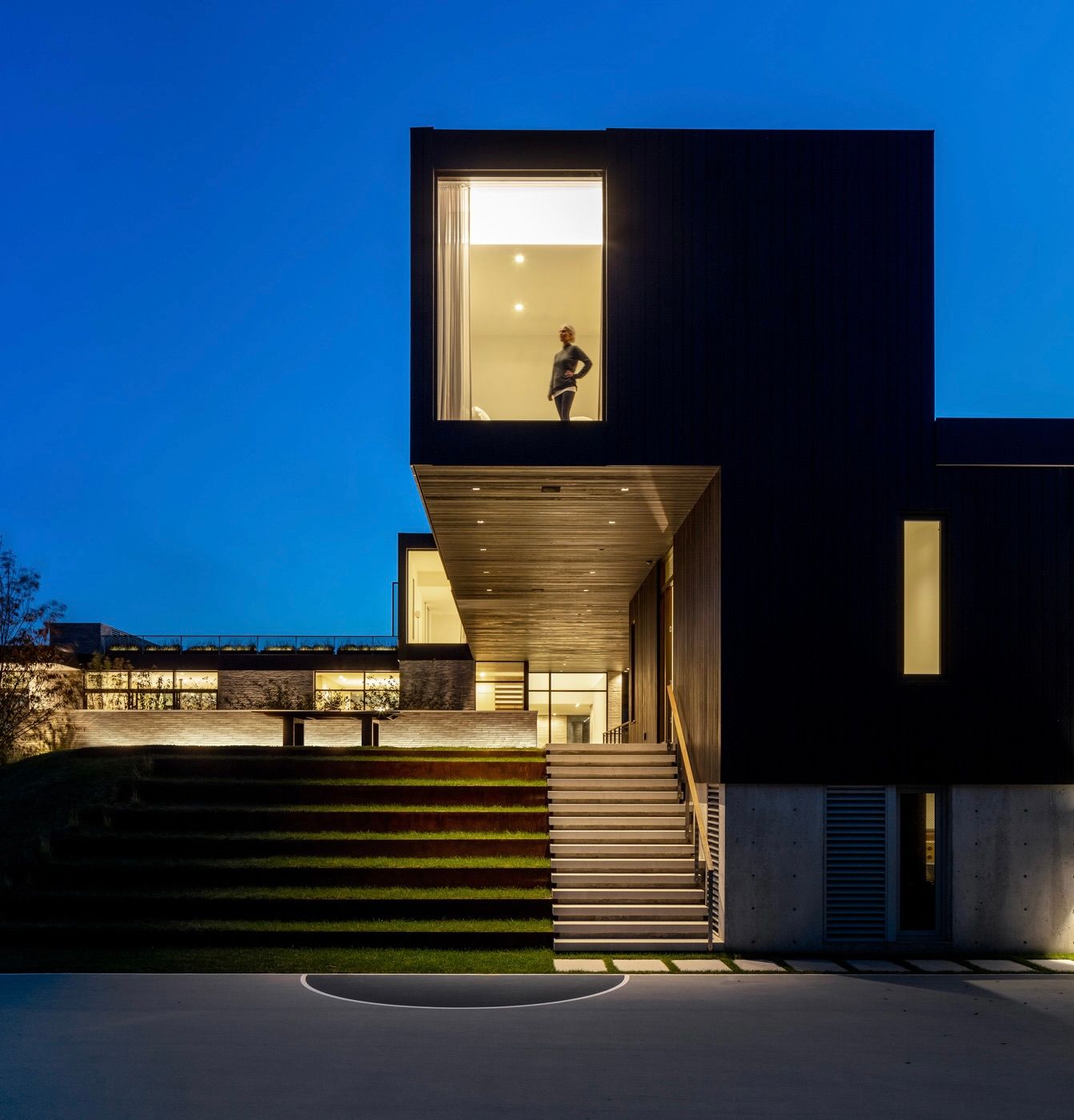
Bridge House in Bridgehampton NY. Engineered by CRAFT Engineering Studio. Architect: A+I Architecture Plus Information, General Contractor: Bulgin & Associates
Founded in 2010 by Nathaniel Stanton, SE AIA, CRAFT Engineering Studio has grown into a close-knit practice of engineers whose backgrounds span product design, architecture, computation, and structural engineering. From the beginning, CRAFT set out to work at the intersection of structure and design, not at its edge.
Recent years have brought rapid growth in the range and complexity of CRAFT's projects. The firm now spans four offices, in New York, Denver, Paris, and Athens, with work running from the Northeast to the mountain west and overseas. To support that growth, the studio has deliberately built infrastructure to keep its institutional knowledge live beyond any one person's memory and available to engineers across offices and time zones.
That intent showed up early. Long before most small structural practices invest in it, CRAFT had built a Revit model template loaded with the studio's standard details, so every new project began with the firm's standards already in place. As Carl Fosholt PE, an engineer at CRAFT, puts it, "Many small firms have no established infrastructure for drawing and Revit standards. In the five years I've been at CRAFT, we've grown in that area in leaps and bounds."
The template handled the firm's defaults well. As CRAFT grew across offices, the studio looked for a way to extend that same discipline to its full body of work, making every past detail searchable and reusable across offices and time zones rather than only the standards built into a new project file. The firm found that extension in Pirros, the AI project hub for architecture and engineering firms, which helps teams find, reuse, and manage their Revit details and families across past projects, teams, and offices.
Moving the Library Online
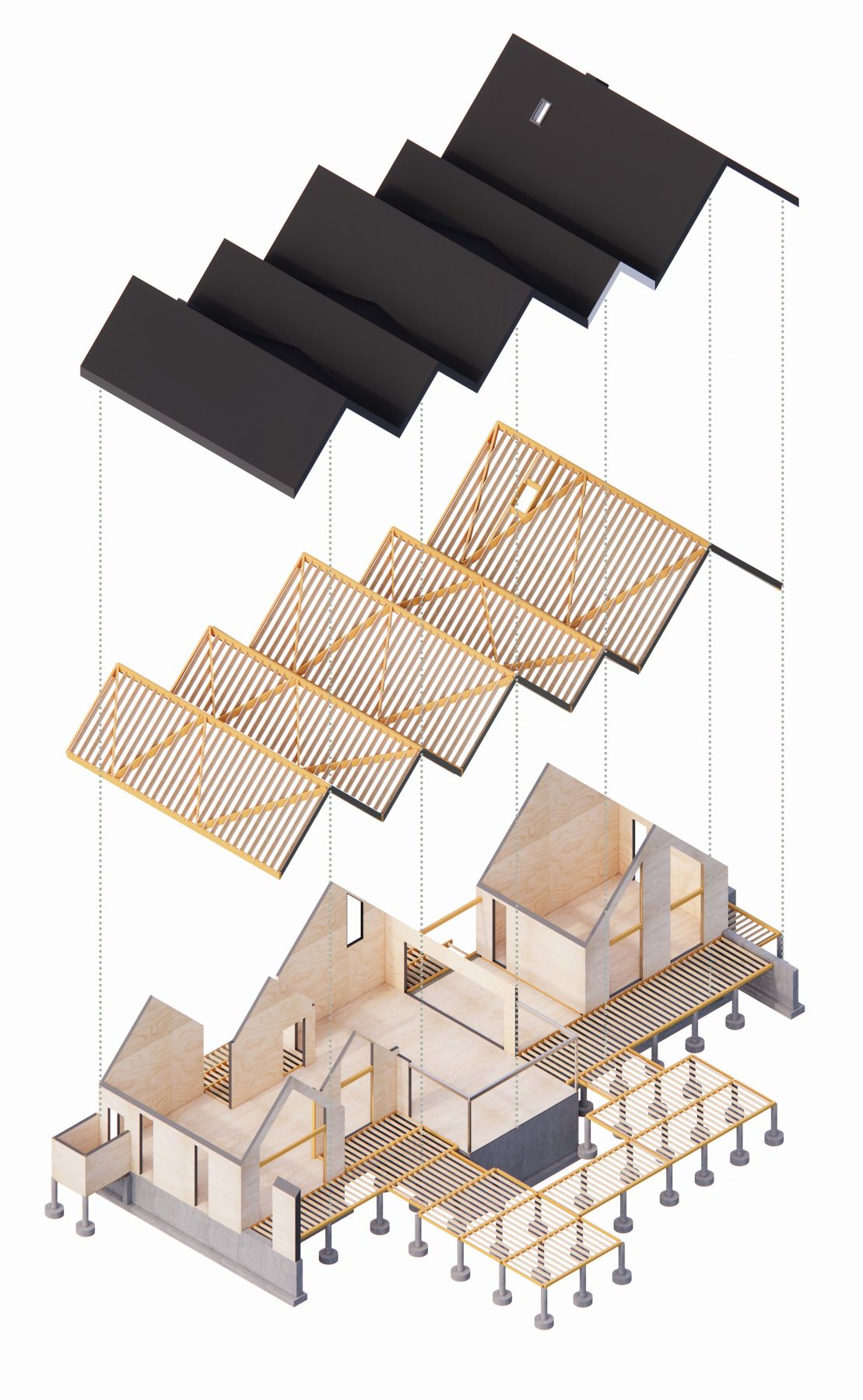
John Larkey PE, a Partner at CRAFT and the studio's internal champion for new tools, led the rollout. Once the firm adopted Pirros, he uploaded CRAFT's full set of standard details in a single pass, as well as a large set of past projects’ custom details. The library moved out of the Revit template, which had to be opened in Revit to use, and onto a platform where anyone in the studio could open in a browser tab.
For Fosholt, the difference is immediate: "I can search for a detail in a web browser and find it in seconds, whether I'm reviewing it with a colleague or refreshing my own memory, instead of opening a Revit model and parsing through every detail view."
Jamie Cooper PE, a senior project engineer in the Denver office, joined CRAFT a few years ago, drawn by the firm's portfolio of public art and sculpture, and now divides her time between sculptural commissions and high-end residential work. She approached a new platform with some caution. "I remember thinking, oh no, I have to learn another piece of software," she says. "It has been the easiest adoption of any new Revit process or plug-in I've used."
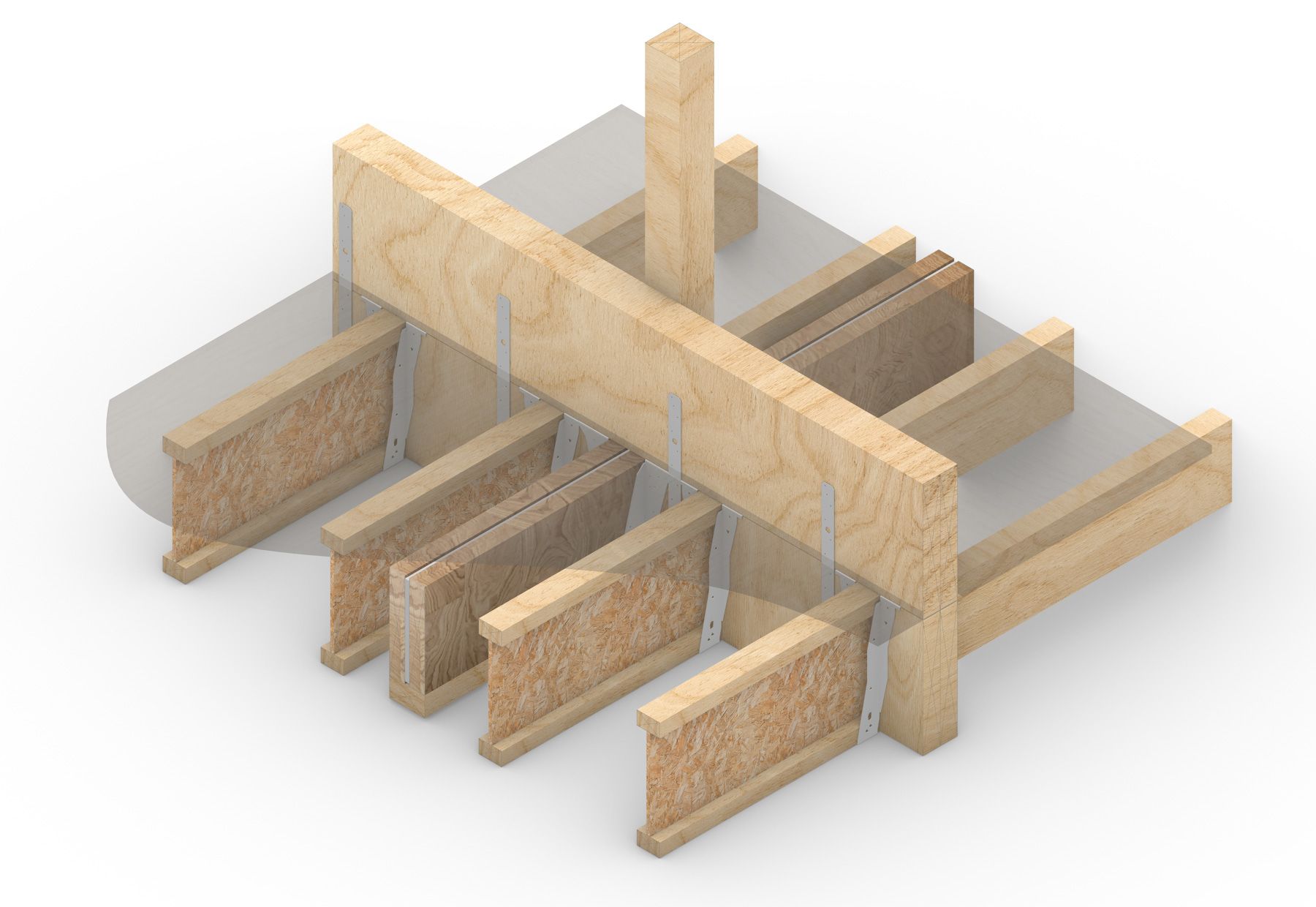
The change shows up in the routine moments of a project. Importing standard details once meant opening a separate Revit model, finding the right view, and importing it back into the project file. Across a full project, that time adds up, and it tended to be the kind of task engineers left until the end of the day. "On a new project that needs wood framing details, I can search Pirros, scroll through, stage the ones I recognize for download, and bring them straight into the model," Cooper says. "What used to be a ten-minute task I would put off is now quick."
Detailing Earlier in Design
Conventionally, early design phases follow a familiar sequence: model the structure, clean up the plan-view sheets, and add details later. The reasoning is practical, since details take time to produce and schematic design time is best spent on the primary structural decisions. At CRAFT, that sequence has begun to shift.
"We can include more details in earlier phases now, because it's faster," Cooper says. "Previously it made sense to focus on the structure first, but now we can get the general structure in and start bringing in details, so it's clear what's going on." More detail earlier means more coordinated drawings earlier, which supports clearer conversations between architects and clients and captures design intent at the phase where those conversations most shape the project.
Updating in Real Time
CRAFT's standards library is always evolving. John Larkey and his colleague Martyn Sheard CEng MIStructE run the studio's standards work, and when they revise a detail, it goes out through Pirros for review and comment, and the rest of the studio is notified. "The updates from our Pirros library champions are much easier to track than our previous method, which relied on a large Bluebeam session with many details and markups," Fosholt says.
The updates themselves are the kind of small, ongoing revisions any active firm makes routinely. A manufacturer discontinues a piece of hardware, and the studio adopts its replacement. A specification is refined after a project team encounters an edge case. A note is clarified after a contractor calls for clarification. What Pirros changes is how those updates travel. Once a change is made, the rest of the studio sees it in the same place they are already looking for content, which keeps every office working from the same current standards.
Serving Different Regions
Because CRAFT works across four offices on two continents, its detail library has to serve very different regional construction standards. The firm's residential work has been based in the Northeast for most of its history, and its standard details reflect Northeast construction practice. Fosholt is now leading CRAFT's expansion into the mountain region, and the library is central to that effort.
Regions are not interchangeable. Available materials differ, contractors source what is locally available, and architectural sensibilities vary, so the houses CRAFT engineers in the mountain west look very different from those it engineers in the Northeast. Even structurally similar projects can produce very different drawing sets. A library serving both regions must accommodate that variation rather than flatten it. Fosholt is working through CRAFT's first two major mountain-region projects now, building mountain-region equivalents of the firm's Northeast standards. With the Athens office maintaining its own regional set, the library now carries several regional standards across offices and time zones.
Live Detailing
CRAFT also differs from many firms in how it produces drawings. Most of what the firm puts on a drawing set is generated through live detailing, which means creating construction details directly from the project's 3D Revit model rather than drawing them separately on a blank canvas. Every detail comes out in context, against the actual geometry of the building.
That approach reflects how CRAFT works. The firm's clients are often architects who think in three dimensions and expect their consultants to do the same. The model is the source of truth, and the drawings come out of it. "Most of our project-specific details are live cut, because they tend to involve unusual conditions," Fosholt says. "If something doesn't fall within a typical detail, it's usually because we're working on a specific or unusual framed system or building component."
Live detailing is precise, but it has historically been hard to reuse, because each detail is closely tied to its parent model. Once a project closes, that work has tended to stay there. The library changes this, so a bespoke condition developed for one house can become a reference for the next.
An Unexpected Mentorship Tool
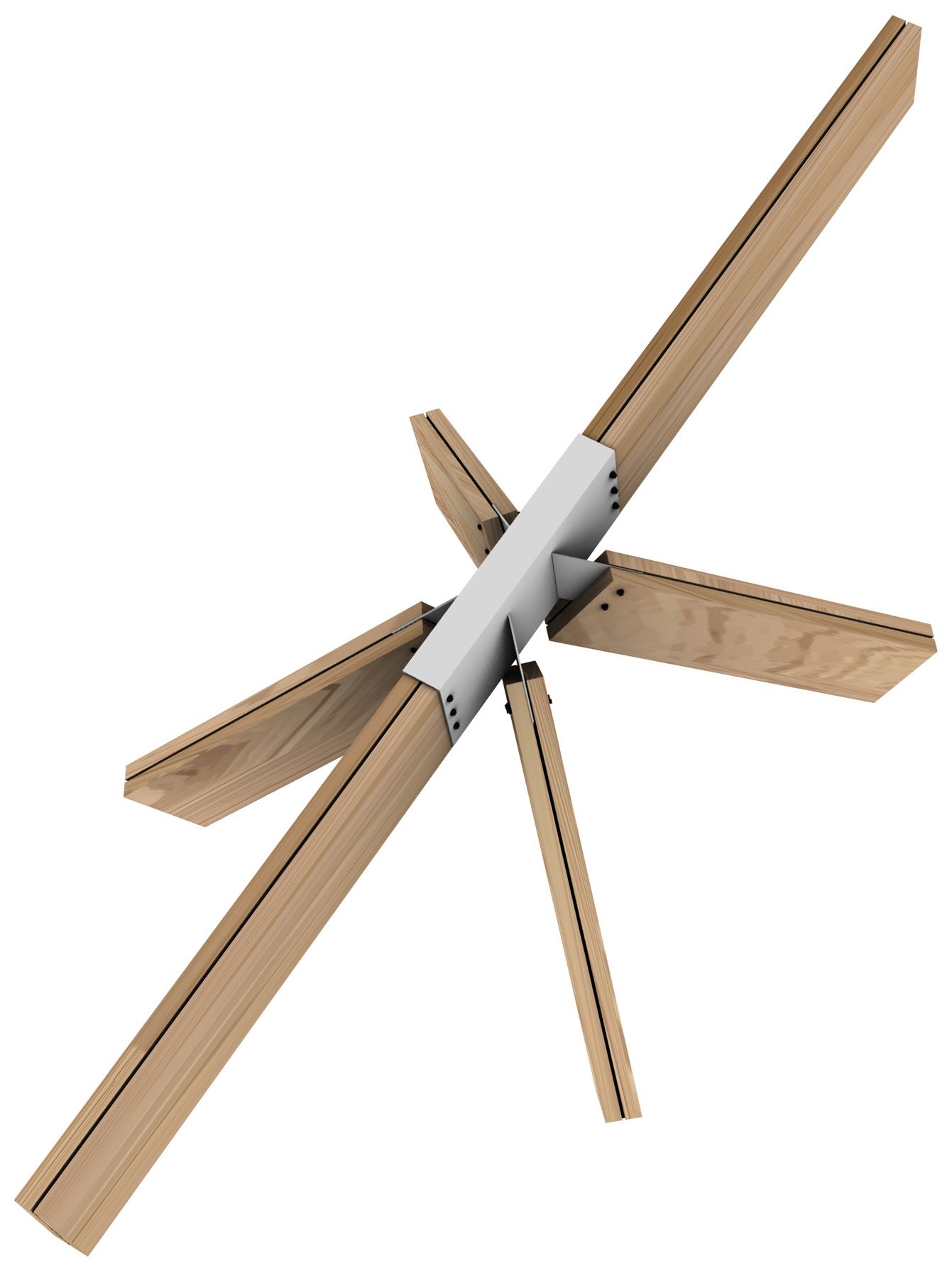
The library has also taken on a role that was not part of the original plan. Alongside the 2D details, CRAFT keeps a set of 3D axonometric drawings for everyday framed conditions such as wood-framed walls, headers, and window frames. These have become teaching tools.
It is the kind of content many firms do not produce. Where a 2D detail shows a wall in section, CRAFT's 3D axonometrics show how the wall goes together, with the joists, sheathing, and connectors all in place. For an engineer who has not been on a job site during framing, that geometry is instructive. "If someone asks how to orient a hold-down, I can quickly pull up our shear wall detail and draw on it to show how the push-pull force works," Fosholt says. "It's a great teaching tool."
Cooper is one of the engineers using the library this way. Her background is not in residential structures, so part of the residential vocabulary and skill she is building at CRAFT comes from the library itself. "If I have a question, Carl will tell me to search breakaway walls on Pirros and look at our details for it," she says. "It's a quick way to see our typical detail and what to expect."
This matters most when no one else is available to ask. Cooper and Fosholt both work from CRAFT's Denver office, two time zones behind New York and well behind Athens. By late afternoon in Denver, the New York team has finished for the day and the Athens team has been offline for hours. In those hours, the library is the reference that remains available. "Sometimes it's only Carl and me still working," Cooper says, "and it's good to have that reference when no one else is online." The library teaches the studio's standards back to the studio, regardless of who is at their desk.
How CRAFT Works Now
For CRAFT, the value of Pirros is not any single feature. It is a set of changes that, taken together, have reshaped how the firm works as it grows. What CRAFT builds across projects now has a place to live. The standards, the details, and the live-cut conditions from each project's model are accessible from any browser in any office. The library grows as the firm learns, supports its work across regions, and helps newer engineers learn the studio's standards. The bespoke details developed on one project become references for the next.
What began with a shared template and a deep base of institutional knowledge has become a library that spans offices, regions, and levels of experience. Every project adds to it. CRAFT has an unusually mature practice infrastructure, and it is what allows a small firm to operate like a much larger one.